How Chanel stayed private for more than a century
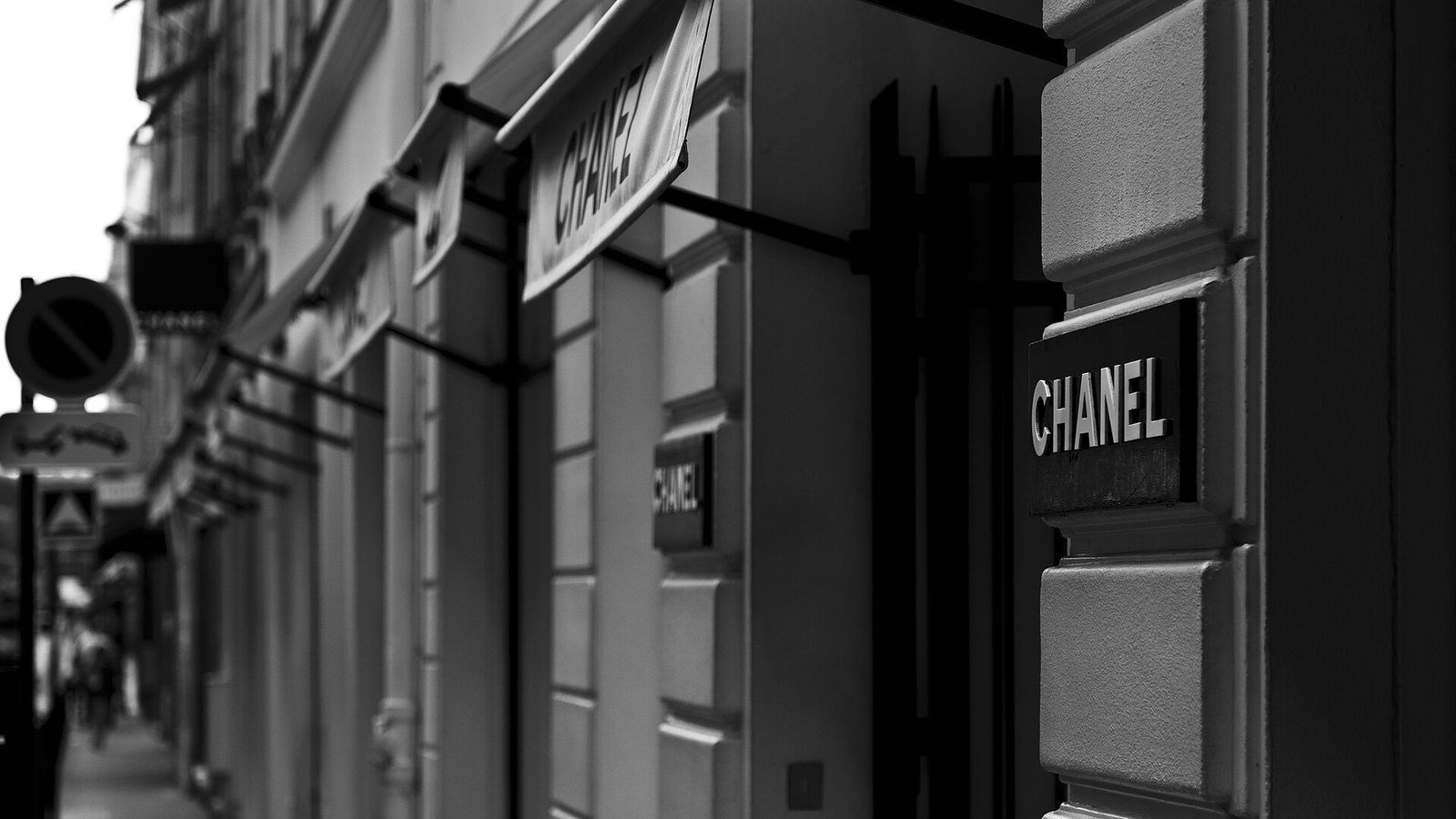
Gabrielle “Coco” Chanel opened a millinery shop at 21 Rue Cambon in Paris in 1910. Within a few years she was selling clothes in Deauville and Biarritz, and by the early 1920s her jersey dresses and simple lines had made her famous.
The perfume deal
In 1921 Chanel launched No. 5, created with perfumer Ernest Beaux. To sell it widely, she partnered in 1924 with businessmen Pierre and Paul Wertheimer, who owned the Bourjois cosmetics company. The Wertheimers took most of the new perfume company, and Chanel kept a small share. She later spent years fighting the arrangement.
Still in the family
When Chanel died in 1971, the Wertheimers already controlled the business. Today brothers Alain and Gérard Wertheimer, grandsons of Pierre, own it. Chanel has never been publicly listed.
For decades the company shared almost no figures. In 2018 it began publishing annual results, showing revenue in the billions of dollars from fashion, fragrance, beauty, watches and jewelry.
Why it matters
Chanel’s model is unusual in an industry dominated by publicly traded groups such as LVMH and Kering. Private ownership lets the house raise prices, limit distribution and invest without answering to shareholders. No. 5 remains one of the best-selling fragrances in the world, a century after its launch.