 Words by
Puig, the Barcelona family company behind Carolina Herrera, Jean Paul Gaultier and Rabanne fragrances, has agreed to buy 75% of the group that owns Parfums de Marly and Initio Parfums Privés for about €1.2 billion in cash. The deal, announced Nov. 27, values the business at roughly $1.9 billion and adds two of the fastest-growing names in niche perfume to a portfolio that already includes Byredo and Penhaligon’s.
The seller is Advent International, the private equity firm that bought into the business in 2023. Julien Sprecher, who founded Parfums de Marly in 2009 and Initio in 2015, will keep the other 25% through his holding company.
What Puig is buying
The two houses sit under a holding company called Artessence Group. According to Puig’s announcement, Artessence expects net revenue of about $420 million to $440 million and EBITDA of about $180 million to $190 million in its fiscal year ending March 31, 2027. That works out to an EBITDA margin above 40%, which helps explain the price.
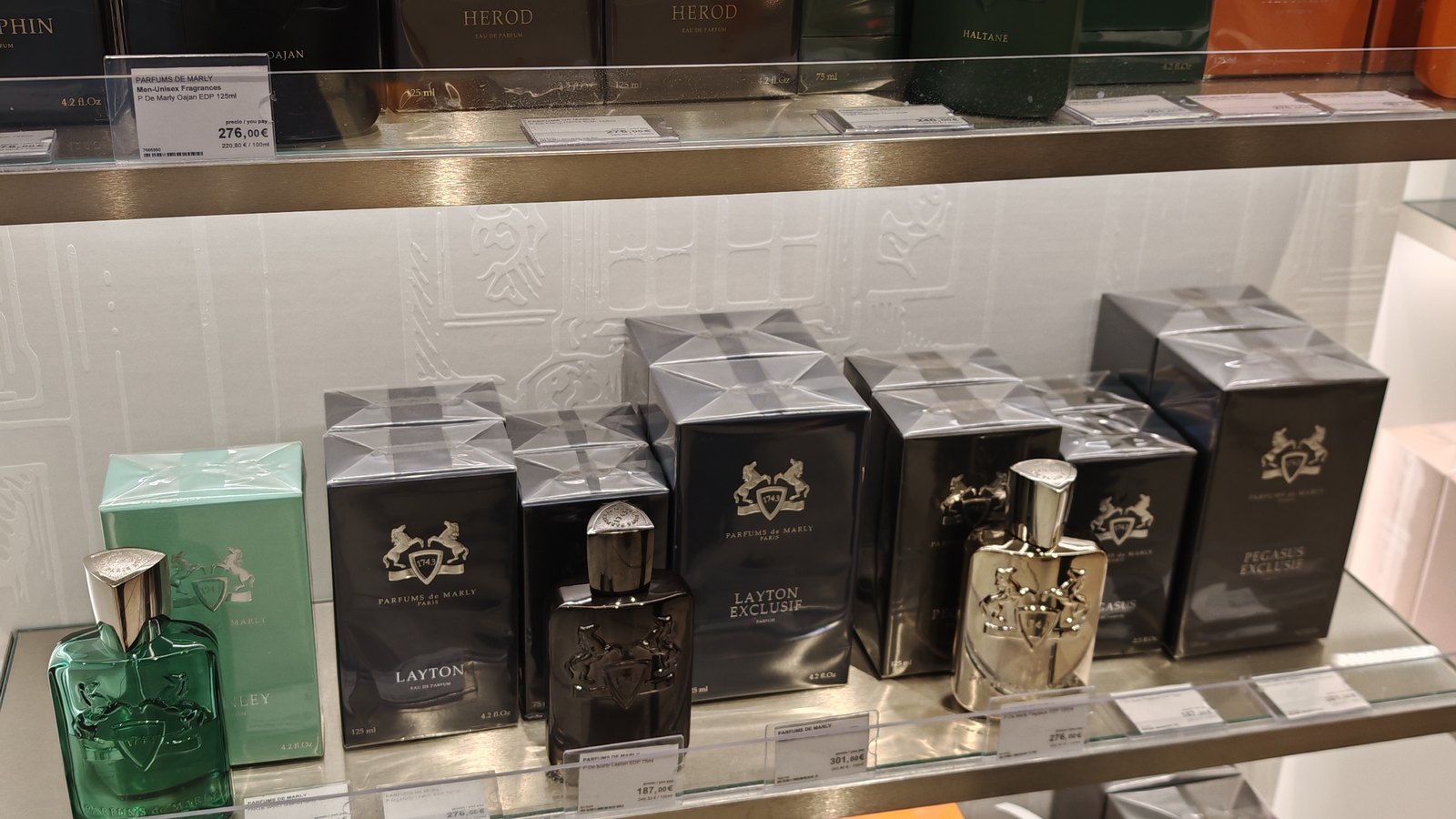
Parfums de Marly is built around 18th-century French court imagery, with a rearing-horse crest and scents named Layton and Pegasus. Initio is newer and leans on what Puig calls “functional fragrances,” marketed around the emotional and sensory effects of scent. Puig says North America accounts for a significant share of the brands’ revenue.
Advent’s own statement says sales roughly tripled in the three years it owned the business, that the workforce more than doubled, and that the brands are now sold in about 70 countries. It credits growth in U.S. department stores, travel retail and direct sales, and a pipeline of about two launches per brand each year. Advent also hired a new chief executive, Patrice Béliard.
Why niche fragrance
“Niche fragrances offer one of the most attractive opportunities within our core fragrance business,” Puig chief executive Jose Manuel Albesa said in the company’s release. Fragrance is already Puig’s biggest segment, and the company has spent years adding smaller, pricier houses alongside its big designer brands. Its niche lineup now includes Byredo, Penhaligon’s, L’Artisan Parfumeur and Dries Van Noten.
Executive chairman Marc Puig called the two brands a combination of “desirability with an impressive track record of profitable growth” and said the company expects to stay within its 2.0x leverage limit at the end of fiscal 2027, even with this deal and the previously announced purchase of the skin care company ISDIN.
For more on where luxury money is going this year, see our story on Richemont, where jewelry now brings in three of every four euros, and at holiday shoppers’ priorities in the National Retail Federation’s Thanksgiving weekend survey.
What happens next
The deal isn’t final. Puig says Advent and Sprecher’s holding have a put option to sell the 75% stake, which can be exercised once Artessence finishes consulting its employee representatives in France. After that, completion needs regulatory approval and a vote at Puig’s general shareholders’ meeting. Both companies expect it to close in the second quarter of 2027.
Puig and Sprecher also agreed on an earn-out tied to future performance and on put and call options over his remaining 25%, which would give Puig a path to full ownership over time. Until then, Puig says Artessence will run with “a high degree of independence in the medium-term.” The company is holding an investor call on Nov. 30.
More on the business of fashion and beauty is on our Style page.
Add Amore Magazine as a preferred source on Google (opens in a new tab)