Moët & Chandon and the business of Champagne
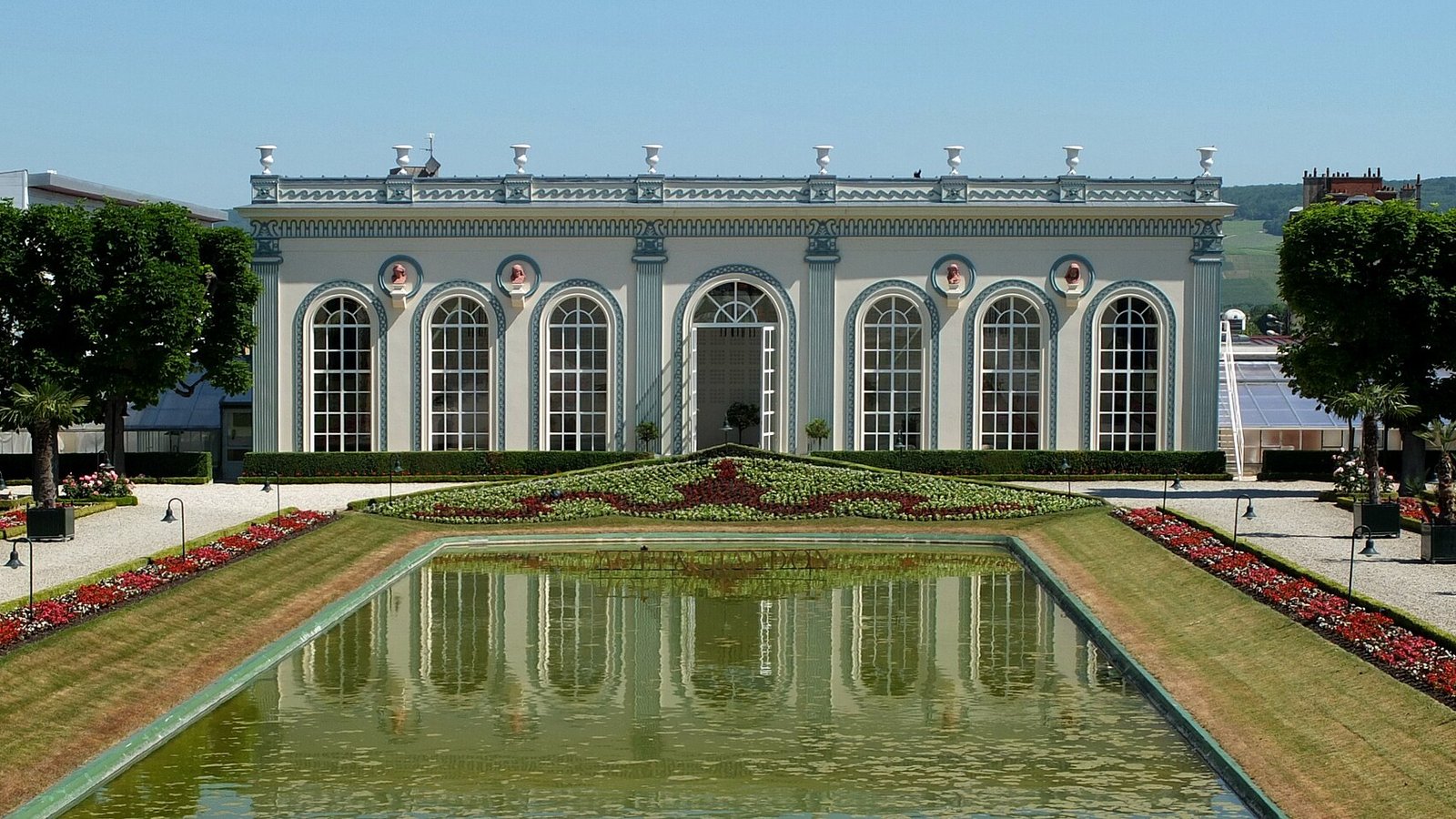
Claude Moët started a wine business in Épernay, in the Champagne region of France, in 1743. His grandson Jean-Rémy Moët grew it into a major house and counted Napoleon among his customers. Later, Jean-Rémy’s son-in-law Pierre-Gabriel Chandon joined the business, giving it the name Moët & Chandon.
Cellars and vineyards
The house’s cellars run for miles beneath the Avenue de Champagne in Épernay, carved into the chalk. The bottles age there for years before release. Moët owns large vineyard holdings, but like other big houses it also buys grapes from growers across the region.
Moët Impérial, its non-vintage brut, is one of the most widely sold Champagnes in the world. Dom Pérignon, the prestige cuvée named for a 17th-century monk, is part of the same company.
The “M” in LVMH
In 1971 Moët & Chandon merged with Hennessy, the Cognac maker. In 1987 Moët Hennessy merged with Louis Vuitton to form LVMH, now the world’s largest luxury group.
The Champagne market
Champagne sales rise and fall with the economy and with celebrations. Growers and houses negotiate grape prices and yields each year through a regional trade body. The industry has faced slower demand after record sales in 2022.