 Words by
For most of the 1990s and 2000s, the vinyl record looked like a relic. Compact discs, then digital downloads and streaming, had pushed the format to the edges of the market, kept alive by DJs, audiophiles and collectors. Then something unexpected happened: vinyl came back, and it kept growing.
The numbers
In the United States, vinyl sales have grown for well over a decade. According to the Recording Industry Association of America, vinyl revenue has increased every year since 2006. In 2022, vinyl albums outsold CDs by units for the first time since 1987.
Vinyl is still a small share of total music revenue, which is dominated by streaming, but it has become the largest source of revenue among physical formats. In the United Kingdom, the British Phonographic Industry has reported a similar trend over more than 15 consecutive years of growth.
Why people buy records
Ownership. Streaming gives listeners access to nearly any song, but not ownership. A record is a physical object you keep, display and share.
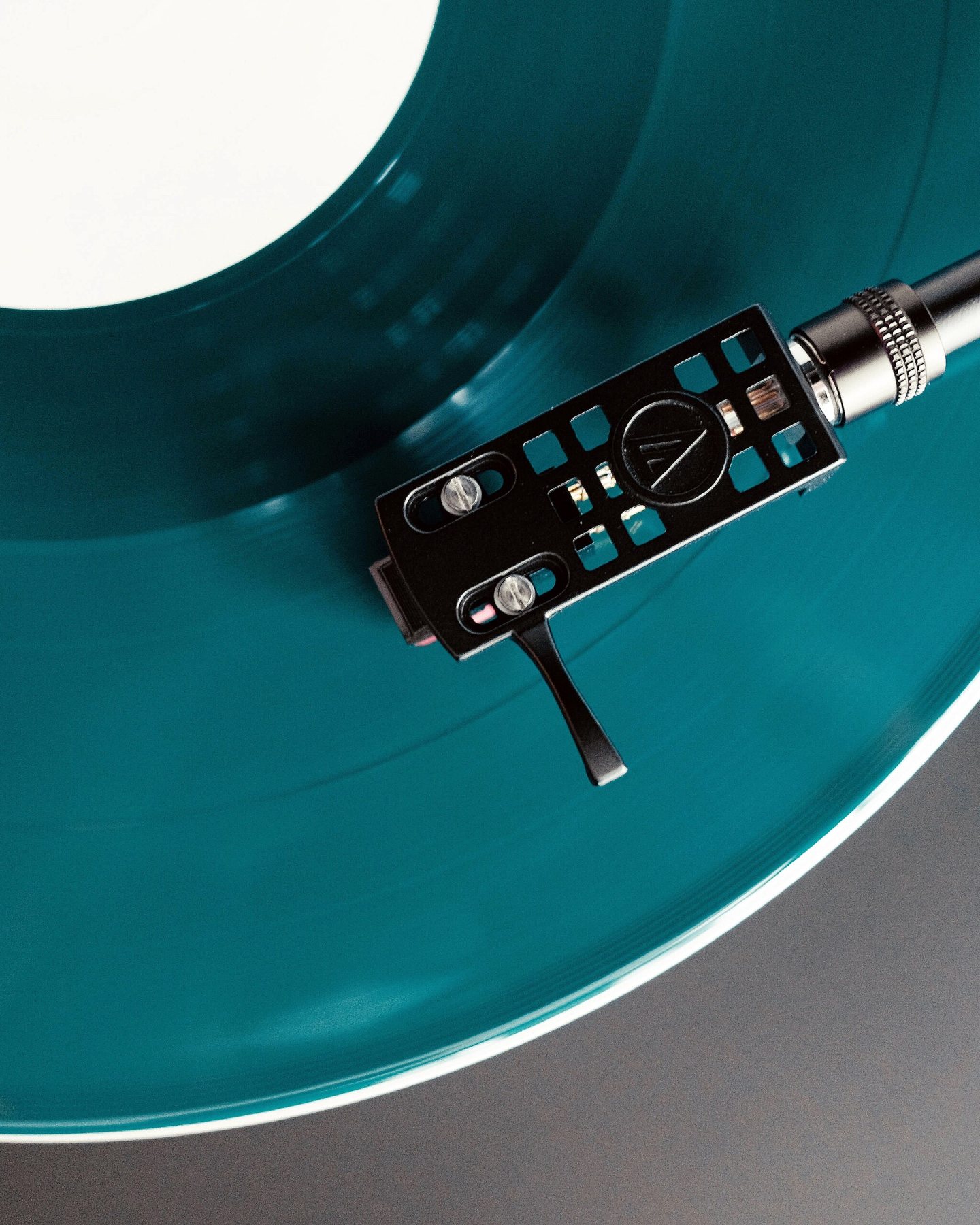
The listening ritual. Playing a record is deliberate: removing it from the sleeve, setting the needle, flipping sides. Many listeners say the process makes them pay closer attention to an album as a whole.
Artwork and packaging. A 12-inch sleeve showcases album art in a way a phone screen cannot. Gatefold covers, liner notes, lyric sheets and colored vinyl add appeal.
Supporting artists. Fans buy records as merchandise, especially from artists they love. Records often bring artists and labels far more per sale than individual streams.
Sound. Many listeners prefer the warmth they hear in vinyl, though whether it sounds better than digital audio depends on recording, mastering and equipment. What’s undisputed is that it sounds different.
The role of big artists and Record Store Day
Major pop stars have fueled the boom. Artists such as Taylor Swift, Harry Styles and Olivia Rodrigo have released albums in multiple vinyl variants, and some have set modern records for vinyl sales in a single week.
Record Store Day, founded in 2007 and held each April, celebrates independent record shops with exclusive releases. It has helped draw new customers to local stores and is credited with supporting the revival of independent retail.
Challenges
The demand has strained supply. Few new pressing plants were built during the format’s decline, and the boom led to long production delays. Raw material costs have risen, and new records often cost $25 to $40 or more.
There are also environmental questions. Records are made largely from PVC, a plastic, and some companies are experimenting with alternative materials.
Vinyl’s audience is also younger than many expect. Surveys by music industry groups have found that a significant share of record buyers are in their teens and twenties, many of whom grew up with streaming and discovered records as something new rather than nostalgic.
Getting started
- Buy a decent turntable. Very cheap all-in-one players can wear records quickly. Look for a turntable with an adjustable counterweight and a replaceable stylus.
- Mind the setup. You’ll need a phono preamp (built into many turntables and receivers) and speakers or an amplifier.
- Shop used. Secondhand records from local shops, flea markets and estate sales can be affordable treasures. Inspect for scratches and warps.
- Care for your collection. Store records upright, away from heat and sunlight, and keep them in inner sleeves. Clean them with a carbon-fiber brush or record-cleaning solution.
- Support local stores. Independent shops are often the best places to find recommendations and rare pressings.
Why it matters
The vinyl revival is a reminder that convenience isn’t everything. In a world of endless playlists, many listeners want something tangible, deliberate and shared. Records offer that, and a new generation has discovered it.
For more on music, art and ideas, visit our Culture section.